Australian Government Pre-Budget Submission: Clean Commodities Trading Initiative
2026-27 Australian Government Pre-Budget Submission: Establishment of a Clean Commodities Trading Initiative (CCTI)
To help realise the Government’s Future Made in Australia (FMiA) vision and kickstart First of a Kind (FOAK) clean commodity projects, this submission proposes the establishment of a Clean Commodities Trading Initiative (CCTI) as a specialist division of an existing government special investment vehicle (SIV).
The purpose of the CCTI is to enable an initial five, first-of-a-kind, clean commodity projects to achieve financial close and commence construction from 2028.
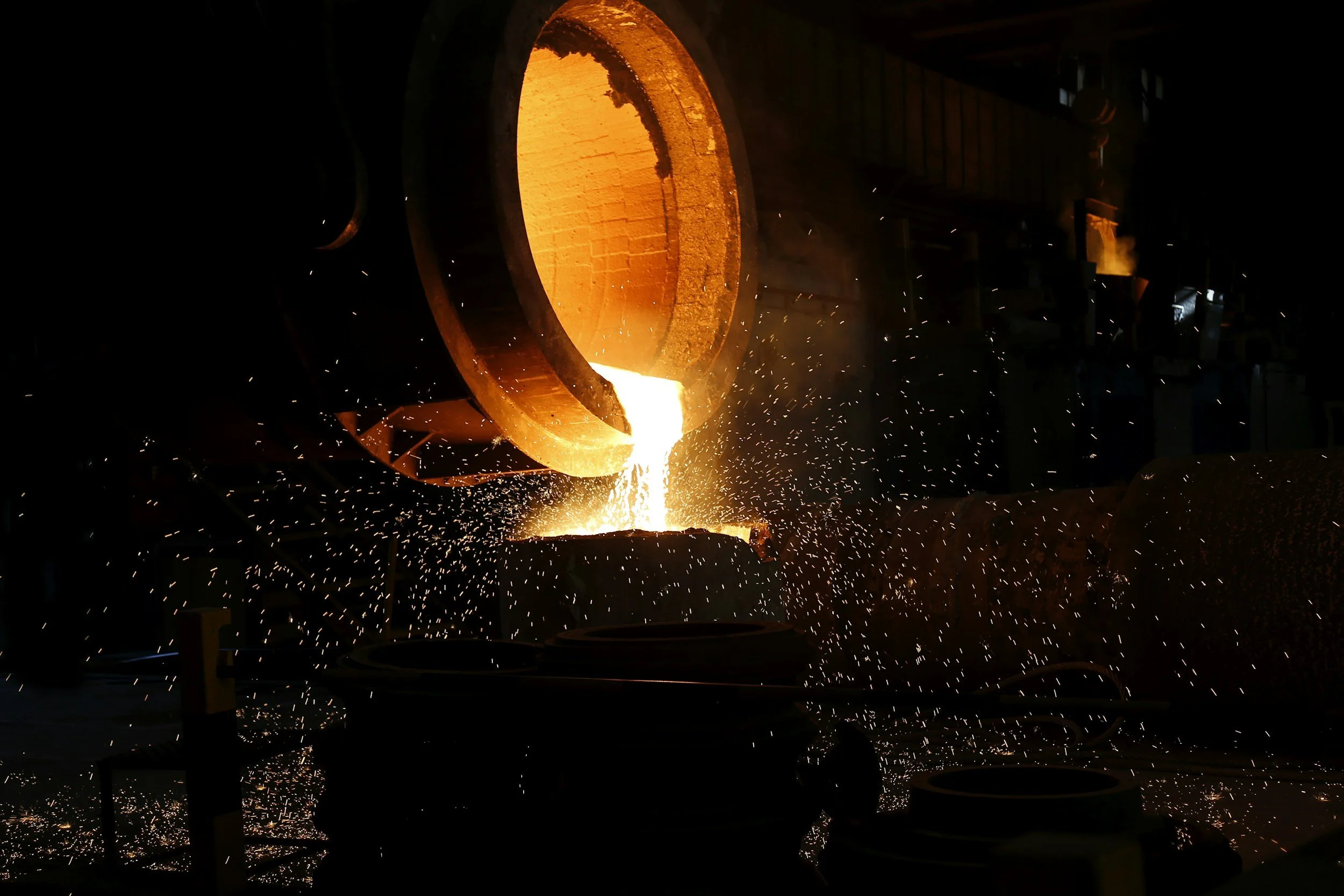
The creation of new clean commodity industries like green iron, green ammonia and sustainable aviation fuel (SAF) are central to the Government’s FMiA agenda. But Australia’s FOAK clean commodities projects are currently stuck at the starting line.
The core barrier to these projects is not technology or feasibility - it is bankability. Without the certainty of guaranteed demand at a bankable price, project proponents and their financiers lack the confidence they need to make a final investment decision (FID).
This has led to the current situation – where we have a lot of talk about the ‘potential’ of green iron, green ammonia and SAF projects in Australia but there are no actual projects at commercial scale reaching financial close, enabling construction to start.
The Government can solve this problem – through the CCTI, an instrument tailor-made for Australia as a medium-sized, export dependent nation, seeking to diversify its economy in challenging fiscal circumstances.
The CCTI would achieve its purpose by issuing highly tailored, government-backed offtake contracts for a capped number of early clean commodity project proponents. Public risk would be minimised through tight controls, such as “pay on delivery” arrangements and public cost recovered through the decoupling of associated “environmental attributes” for integration and sale into existing or future carbon markets.
Although the Government would contract as the initial buyer of the clean commodity, it would never take physical delivery.
Instead, the project proponent (acting as the Government’s agent) would sell the physical product into conventional markets while the Government would retain and manage only the associated “environmental attributes”, much as the Clean Energy Regulator does today.
We expect the CCTI to require:
(i) initial operating costs of approximately $6 million a year over 4 years ($24 million over the forward estimates), and
(ii) contract negotiation capacity (all final contracts would be the subject of separate specific approvals).
As the CCTI primarily involves contingent contract liabilities rather than upfront expenditure, exposure arises only when a commodity offtake contract is executed and payments made only on delivery of clean commodities that meet contracted performance.
Either Export Finance Australia (EFA), the National Reconstruction Fund (NRF) or the Clean Energy Finance Corporation (CEFC) could be effective hosts of a CCTI, subject to internal government priorities, and after adjustment to the relevant investment mandate.
Crucially, the CCTI would do more than solve the key barrier to construction of early projects. It would also deliver a benefit to the Government (and to all Australians) by creating a fiscal recycling mechanism through the sale of environmental attributes.
This would ensure taxpayer dollars are not going just one way, allowing the Government to share the financial upsides of FOAK projects wherever possible and recover any early industry support.
The value of these contracts – as well as the value returned to the Government – would vary, being highly project dependent. Working with industry partners we have developed a preliminary model to determine contract value and government exposure (including potential upside through the trade of environmental attributes). We would be happy to walk officials through a worked example based on green iron at Whyalla.
The CCTI is intended to work in tandem with existing policies and could effectively wrap other incentives, such as the Production Tax Incentives (PTIs) by allowing the value of PTIs to be redirected to cover, in whole or in part, the Commonwealth’s cost of entering into and servicing CCTI offtake contracts.
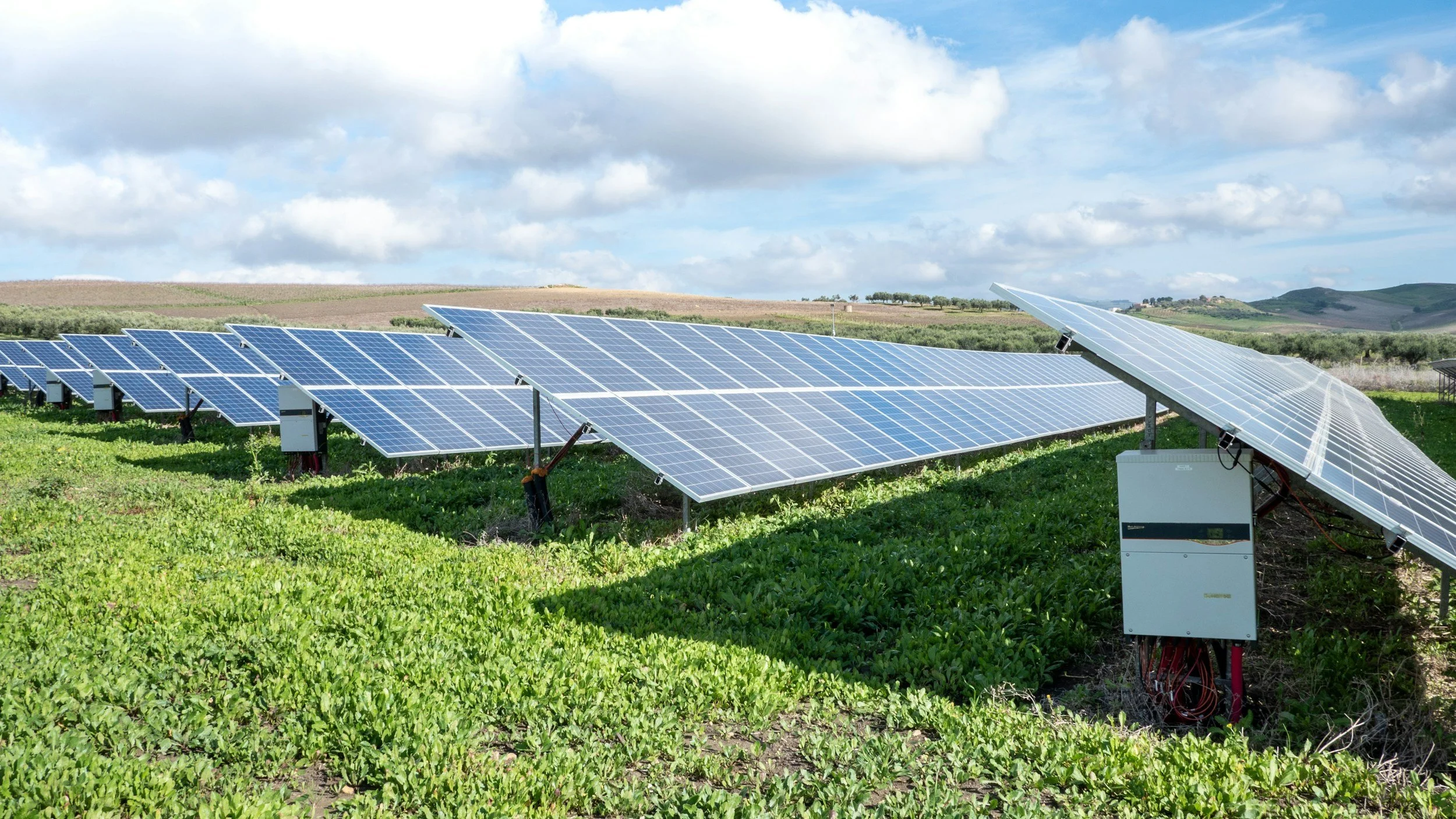
The CCTI can do for clean commodity projects what state and federal governments have done (and continue to do) in the electricity market to support the construction of clean energy projects. Without policies like the Renewable Energy Target (a mandate), State government Power Purchase Agreements, CFDs and long-term energy service agreements (LTESAs), the renewable electricity sector would not be where it is today.
We now need to apply the same logic to Australian clean commodities and fully realise that once-in-a-generation promise of a future made in Australia.
Download the full submission here.
Submission by Professor Elizabeth Thurbon, Oliver Yates and Moksha Watts.